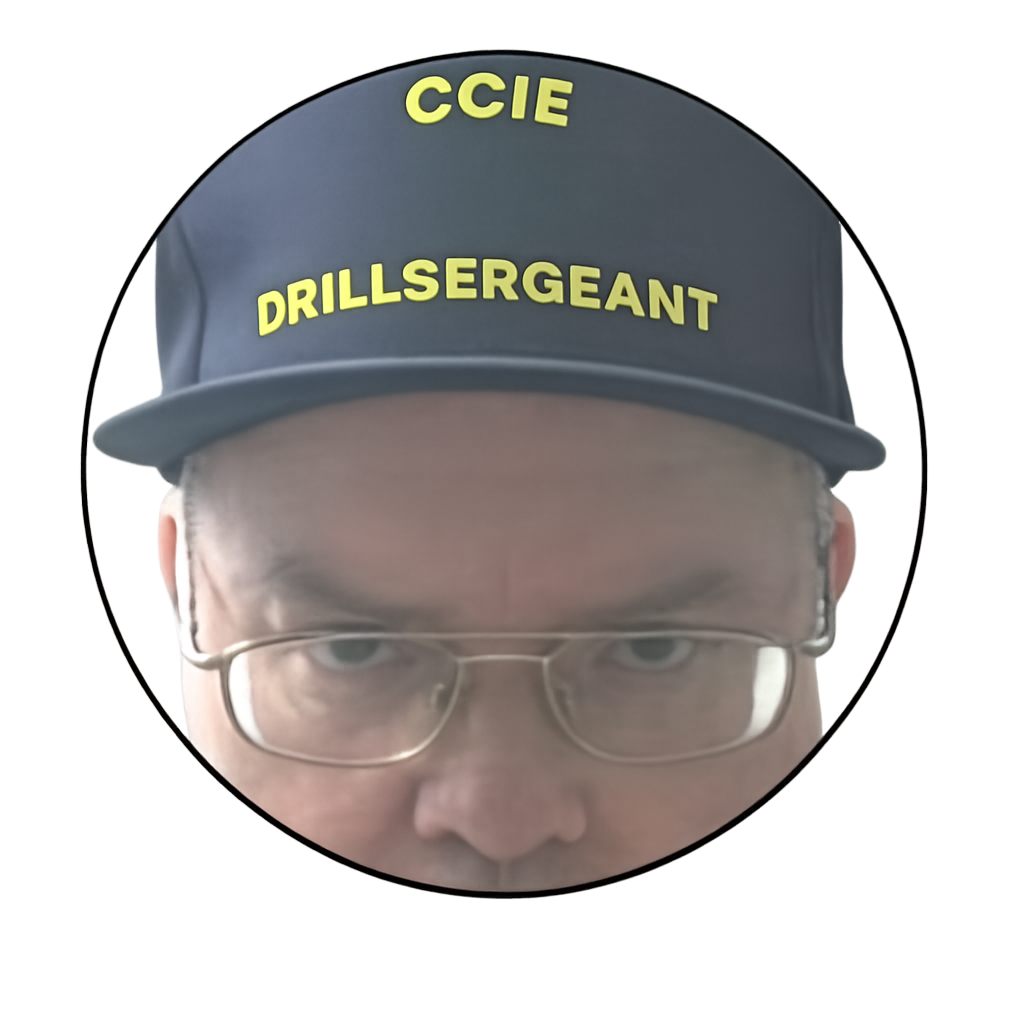








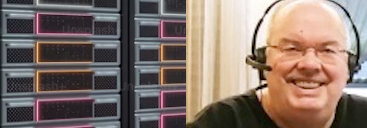



























About Heinz Ulm
Senior Network Consultant, IPv6 Architect & CCIE #1561
I am a senior networking consultant with more than three decades of
hands-on experience in enterprise networking, Cisco infrastructures,
IPv6 migration, troubleshooting, network architecture and technical
education.
My professional work has always been based on one principle:
complex networks must not only look good in diagrams — they must be
stable, secure, understandable and maintainable in real operation.
CCIE from the Early Days of Internet Networking
I passed the Cisco CCIE lab on my first attempt in August 1995. Cisco started counting CCIE numbers at 1024, and my CCIE number is 1561.
This means that I was among the first roughly 600 CCIEs worldwide. At that time, there were only about 80 CCIEs in Europe. Most CCIEs were still located in the United States, because the program had started there.
According to information from the CCIE Program Manager in 2005, I was one of only about 300 ten-year CCIEs in the entire world.
International Project and Training Experience
My work has taken me into enterprise networks, service provider environments, government infrastructures, military-related projects, Cisco training environments and complex troubleshooting situations.
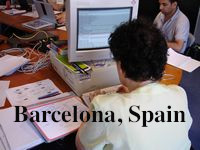
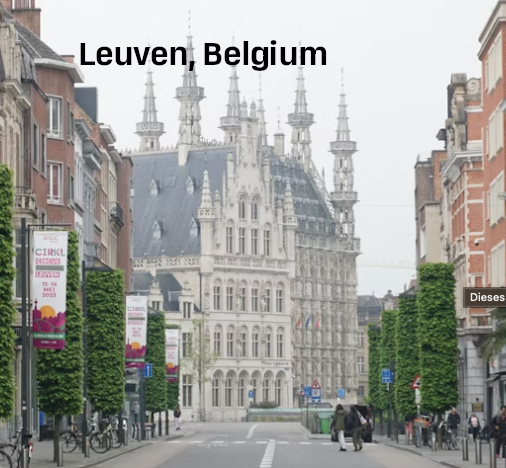
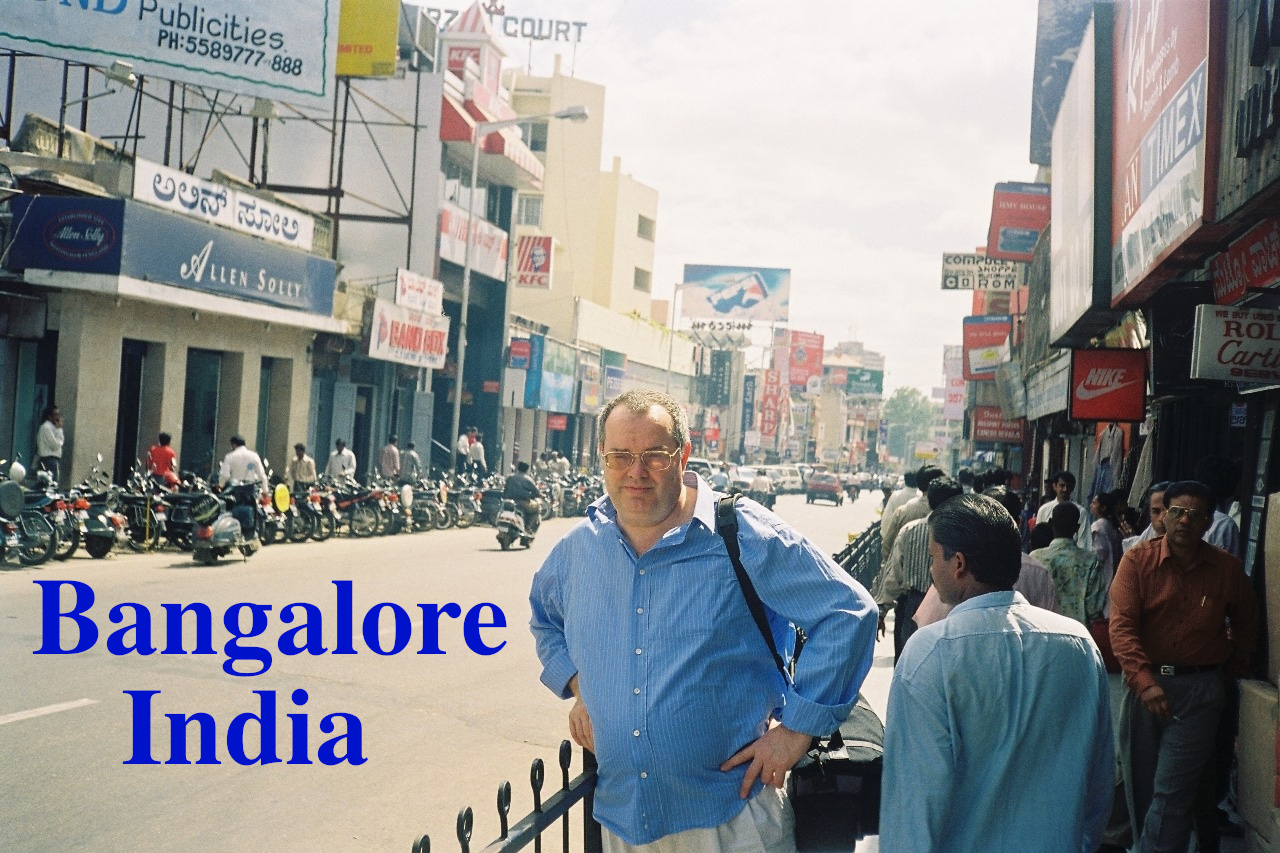
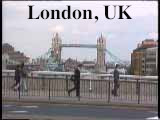
I have conducted projects, consulting assignments and technical trainings in 27 countries on 4 continents, including the USA, Australia, Bahrain, Belgium, Denmark, Dubai, Egypt, France, Germany, Greenland, India, Italy, Mozambique, Netherlands, Norway, Oman, Poland, Qatar, Romania, Saudi Arabia, Serbia, Slovakia, Spain, Sweden, Switzerland, Turkey, the United Kingdom and the former USSR.
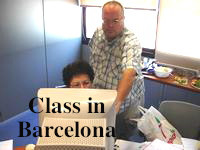
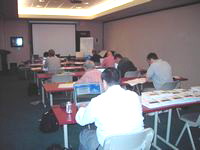
I have trained people from many companies and organizations, including engineers at Cisco Paris, Cisco London and Cisco TAC Brussels. My work also included new-hire classes, CRIC, CID and SEDW — System Engineers Design Workshop — classes.
Countries I have travelled to businesswise
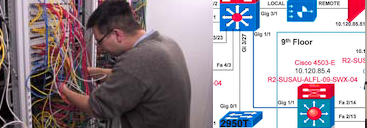
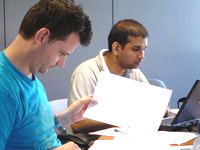
IT projects and trainings
From CCIE Bootcamps to Modern IPv6 and Zero Trust Projects
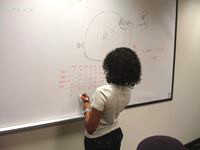
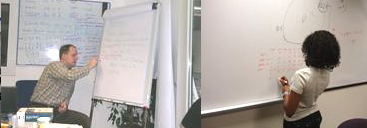
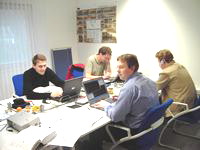
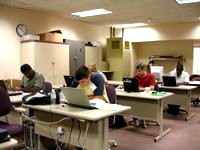
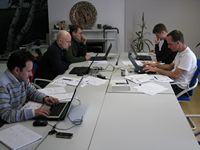
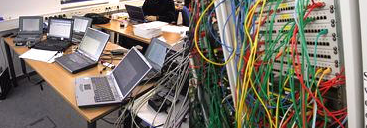
For more than 22 years I conducted CCIE preparation workshops and CCIE bootcamps. These workshops were known for real equipment, hard practical scenarios, personal feedback and very deep technical discussion.
During that time I helped prepare more than 700 engineers for the
CCIE exam. My students came from many countries and companies,
including Cisco itself.
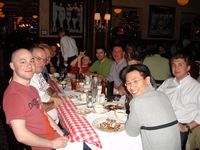
My 'CCIEs' are spread around the world.
Today, the same philosophy is applied to modern enterprise projects: IPv6 migration, Zero Trust networking, segmentation, Cisco Catalyst infrastructures, architecture reviews, operational troubleshooting and technically realistic migration concepts.
What Makes My Work Different?
Operational Reality
I do not design networks only for presentations. I design them for administrators, troubleshooting teams, project leaders, security officers and real production environments.
Deep Technical Background
Decades of hands-on work with routing, switching, Cisco platforms, IP design, IPv6, troubleshooting and enterprise infrastructure allow me to see risks that are often missed in purely theoretical designs.
Clear Communication
I translate technical complexity into understandable architecture, migration steps and decision papers — for engineers, project managers and management stakeholders.
Current Technical Focus
- IPv6 migration for enterprise and government networks
- IPv6 architecture reviews and migration planning
- Zero Trust networking and segmentation concepts
- Cisco Catalyst access and distribution infrastructures
- Routing, switching, VLAN, subnetting and protocol analysis, OSPFv3
- Network troubleshooting, stabilization and performance review
- Technical risk analysis for complex infrastructure projects
- Management summaries for technically difficult decisions
Book Publication
In January 2026 I became co-author of the technical book Voice over IPv6, published by VDE-Verlag, ISBN 978-3-8007-6641-3.
Experience Reduces Operational Risk
Networks do not fail because of IPv6, Zero Trust, routing protocols or new platforms alone. They fail when architecture, implementation, security and operations are not aligned.
My role is to bring these disciplines together — technically, realistically and with the experience of many years in critical network environments.